
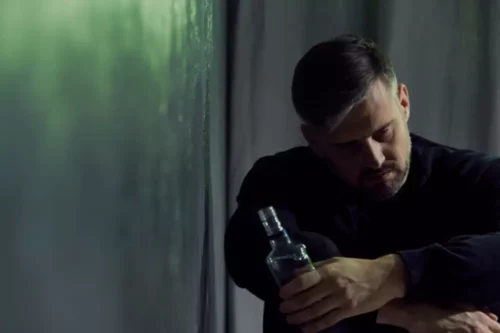
This section what does being drunk feel like explores the stage of excitement and impairment, where heightened confidence and sociability are accompanied by a decline in coordination and judgment. As the alcohol continues to be metabolized by the body, feelings of relaxation and euphoria may intensify. This is due to the alcohol affecting certain neurotransmitters, such as gamma-aminobutyric acid (GABA), which has a calming effect on the brain. Genetics plays a significant role in how individuals respond to alcohol consumption.
What Does Being Drunk Feel Like for the First Time?
This is due to the alcohol affecting the central nervous system, specifically the neurotransmitters that regulate mood. Conversely, drinking in solitude can lead to introspection or feelings of loneliness. The environment shapes not only the experience of intoxication but also how emotions are expressed and perceived during that time. After experiencing what it’s like to be drunk comes the inevitable drug addiction hangover for many people—a physical reminder that one has overindulged in alcohol consumption. Hangovers vary widely in intensity but typically include headaches, nausea, fatigue, sensitivity to light and sound, and general malaise. Understanding the impact of alcohol on mental health is crucial for individuals struggling with addiction or mental health disorders.
Preventing and Managing Alcohol-Related Risks
If you quickly drink too much alcohol, your body won’t have much time to metabolize the substance, causing you to get drunk. This can lead to long-term physical and mental health complications. Because alcohol changes the way the brain processes information, it also makes it difficult for https://ecosoberhouse.com/article/what-spiritual-malady-means/ people to make suitable decisions or assess their own behavior. For example, people who are very drunk might underestimate how intoxicated they are.
- Alcohol abuse can also lead to relationship problems, financial difficulties, and job loss.
- Not treating hypoglycemia may cause other symptoms similar to feeling drunk but worse.
Excitement and Impairment
This emotional variability is influenced by personal factors such as mood prior to drinking and individual tolerance levels. At lower levels of intoxication, individuals might experience a sense of warmth or buzz. This is often accompanied by increased sociability; people may feel more talkative or open to engaging with others. However, as blood alcohol concentration (BAC) rises, these effects can shift dramatically.
Paying for Treatment
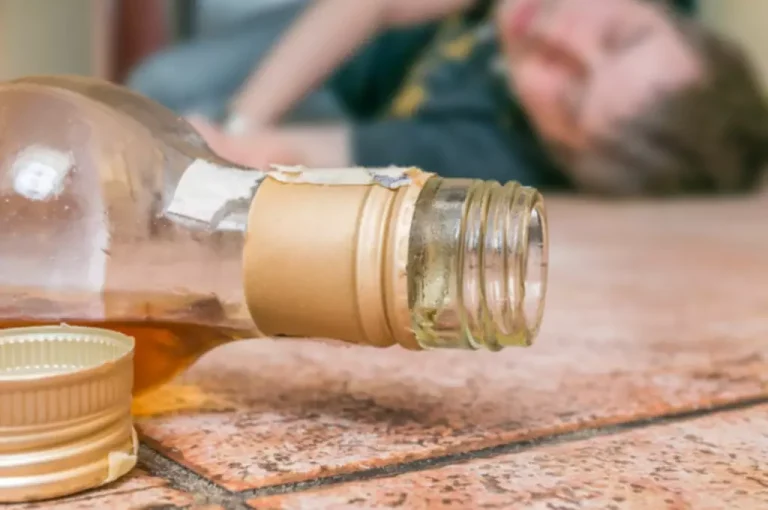
Melody is here to help as you adjust to a life with less (or no) alcohol. According to the 2015 National Survey on Drug Use and Health, 70.1% of adults in the United States report drinking alcohol during the past year. You will not be able to breathe normally, and your gag reflex won’t work correctly. This can be dangerous — even fatal — if you choke on your vomit or become critically injured. At this stage, you will no longer respond to what’s happening around or to you. You may also pass out or lose control of your bodily functions.
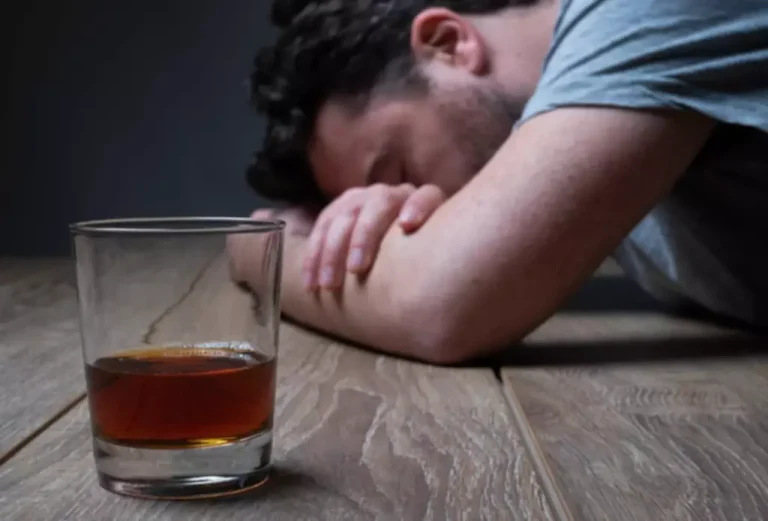
What are the stages of being drunk?
- Experiencing the effects of alcohol can take us on a unique and sometimes unpredictable journey.
- Typically, this stage occurs with two to three drinks per hour for men and one to two drinks per hour for women.
- A person’s body composition, previous drinking experiences, and even mood prior to drinking can all influence their reactions.
During stupor, people may not respond to surroundings, be completely passed out, vomit, and lose the ability to control bodily functions like urination or defecation. Not only is an intoxicated person a danger to themselves, but they’re also a danger to those around them. BetterHelp offers affordable mental health care via phone, video, or live-chat. At a .40 BAC, you’ll probably be in a coma as the nerve centers that control your heartbeat and respiration slow down.
- It’s essential to consume alcohol responsibly and be mindful of one’s limits to maintain personal safety and well-being.
- This stage is marked by a sense of euphoria and increased sociability.
- Whether it’s at a bar with friends or during a quiet evening at home can change how someone feels while drinking.
- Alcohol intoxication can be divided into seven stages, each corresponding to different BAC levels.
- One of the notable effects of alcohol is the decrease in inhibitions.
- Yet that’s what slowly happens, to a certain extent, when you drink and don’t stop drinking alcohol.
- However, remember that death is still possible at earlier stages and with other BAC figures.
